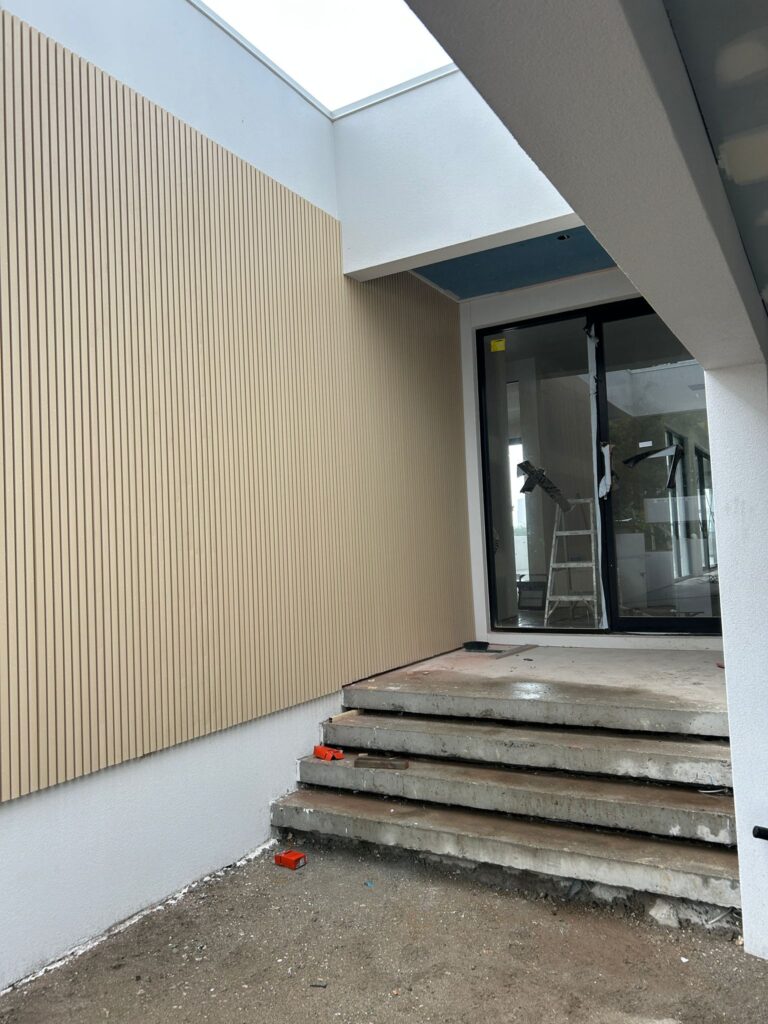
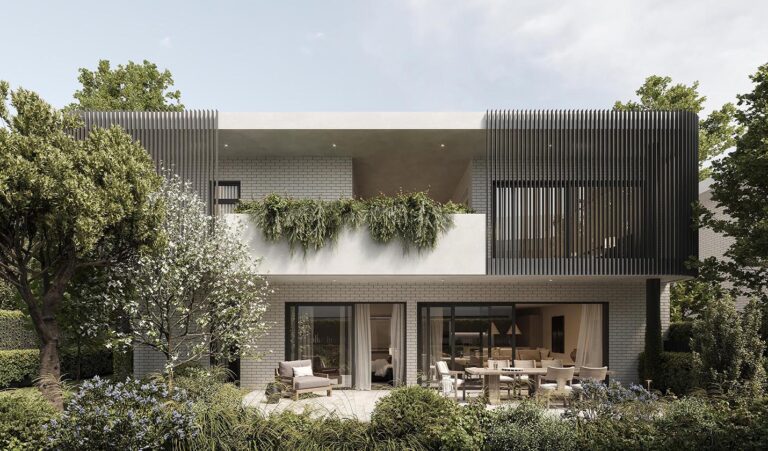
Architectural Facades
An architectural facade is far more than a building’s outer skin—it is the interface between interior spaces and the external environment, defining the structure’s identity, scale, and visual language. From traditional masonry to modern curtain walls, facades integrate structural performance, environmental control, and aesthetic expression. In contemporary practice, facades are designed as high-performance systems that manage light, heat, air, and water while creating the building’s first impression. For aluminum curtain wall systems, the facade becomes a lightweight, adaptable envelope that allows large glass surfaces, sharp geometries, and rapid installation—enabling architects to realize bold, transparent, or parametrically complex designs without excessive structural load.
Why Facades Matter
Facades directly influence a building’s energy efficiency, occupant comfort, economic value, and urban presence. A well-designed facade reduces heating and cooling loads by controlling solar gain and thermal loss—often cutting energy use by 30–50%. It also shapes natural light, views, and acoustic comfort, which affects productivity and well-being. Beyond performance, the facade determines a building’s marketability: a durable, attractive aluminum curtain wall can increase property value and rental income significantly. In dense cities, facades contribute to street-level experience and even public safety. For owners and developers, investing in a high-quality facade is not an aesthetic luxury but a long-term strategy for sustainability, compliance with energy codes, and asset protection.
Facade Materials
The choice of facade material defines the building’s durability, maintenance needs, weight, and environmental footprint. Common materials include natural stone, glass, fiber cement, terracotta, wood, and metals. Among these, aluminum stands out for curtain wall systems due to its excellent strength-to-weight ratio, corrosion resistance, and unlimited recyclability. Aluminum extrusions can form complex mullion-transom grids or custom cassettes, supporting large spans with minimal substructure. It accepts a wide range of finishes—PVDF coatings, anodizing, or wood-grain prints—offering both modern and traditional aesthetics. Compared to steel, aluminum is lighter and rust-free; compared to glass, it provides structural backbone. With growing emphasis on circular economy, aluminum facades are fully demountable and recyclable, making them a future-proof choice for sustainable architecture.
Explore our products
Discover Battenpro’s premium range of aluminium exterior solutions—engineered for durability, bushfire compliance, and timeless design. From cladding and battens to decking and screening, each product combines low maintenance with architectural appeal.